FireTrap.pl Academy

Training for firefighters with FireTrap.pl

FireTrap.pl is a train­ing academy for fire­fight­ers. It focuses on passing on know­ledge in a mod­ern and enga­ging way, and fire­fighter safety comes first. It has been run­ning without a break since 2017 under the motto: “Train as you fight, fight as you train”.

Who runs the train­ing
The train­ing is run by exper­i­enced fire­fight­ers, res­cuers and instruct­ors. What they share is ingenu­ity, com­mit­ment and determ­in­a­tion. They also keep train­ing them­selves on courses in Poland and abroad.

Who it is for
Par­ti­cipants include officers of the State Fire Ser­vice (PSP) and fire­fight­ers from volun­teer, indus­trial and mil­it­ary fire ser­vices, from Poland and abroad.

Dates and sign-⁠up
The train­ing cal­en­dar at firetrap.pl lists the planned open courses, prices and sign-⁠up (the web­site is in Pol­ish). A course can also be organ­ised for your group. It is best to write to info@firetrap.pl, because instruct­ors find it hard to answer the phone dur­ing courses.

Firefighter survival – level 1

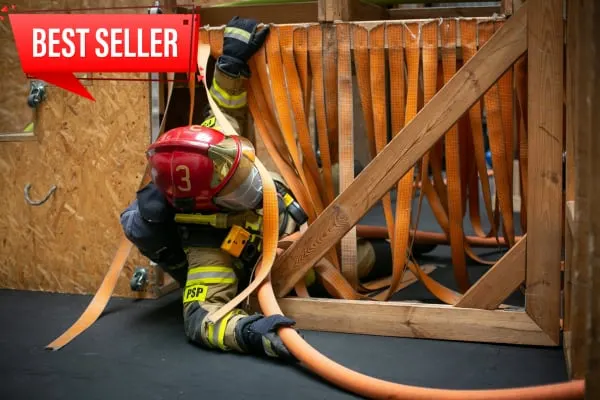
A course for every ambi­tious fire­fighter who wants to learn what to do in the extreme situ­ations they may face dur­ing an incid­ent. We teach work­ing in a dif­fi­cult zone and act­ing in emer­gen­cies.

Firefighter survival – level 2

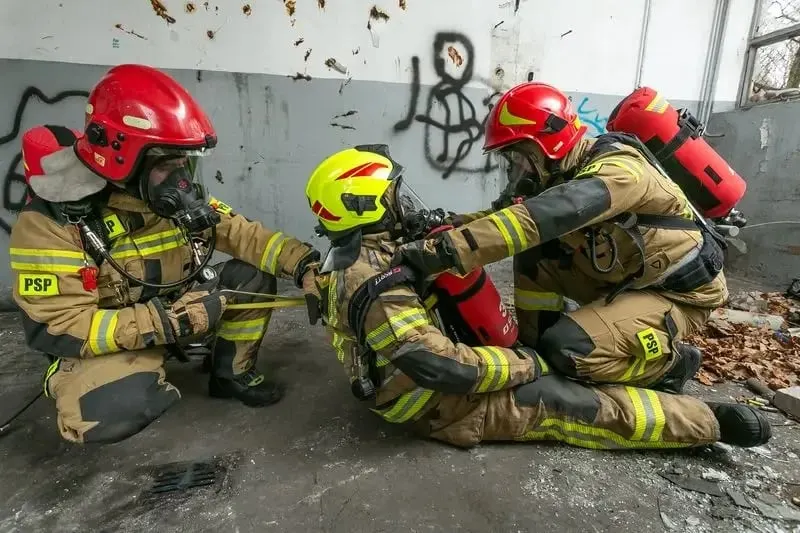
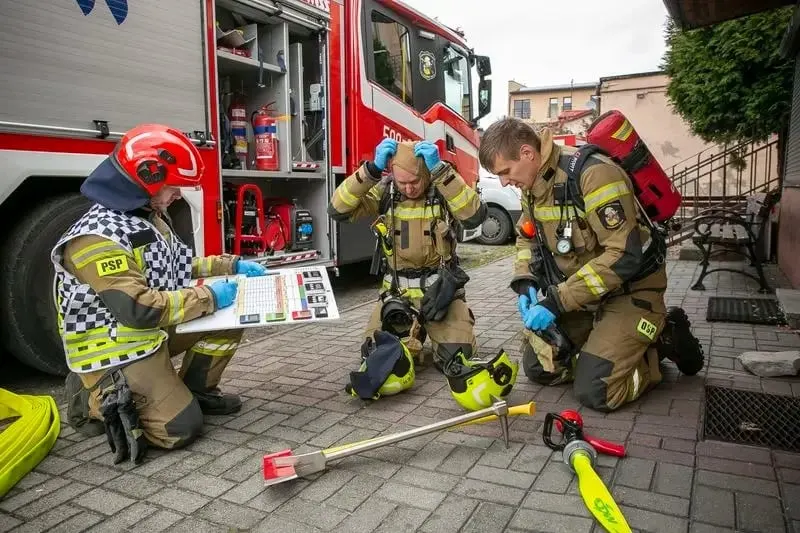
The next step for fire­fight­ers who have com­pleted the level 1 course. Two days of exer­cises in res­cuing fire­fight­ers by rapid inter­ven­tion teams. How to find and evac­u­ate a col­league who has got into trouble dur­ing a fire.

Forcible entry

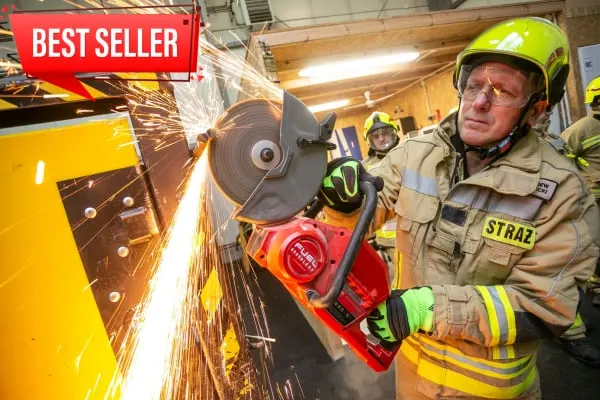
In a fire­fighter’s ser­vice, every day brings incid­ents where you have to get behind a locked door. We teach how to use the Hal­ligan bar, a hydraulic door opener and cut­ting tools, and how to use min­im­ally invas­ive meth­ods when open­ing locks.

Interior firefighting

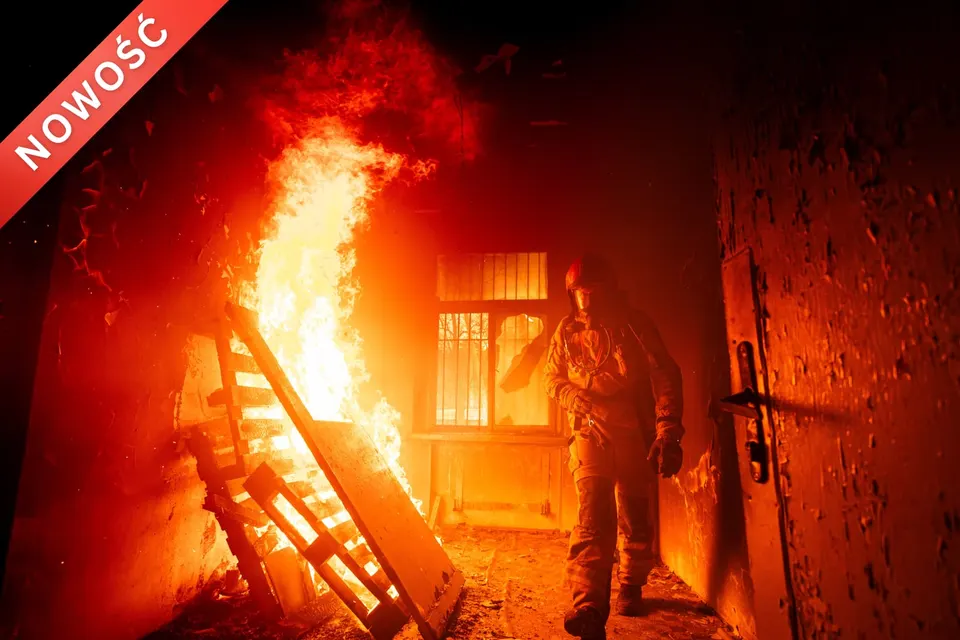
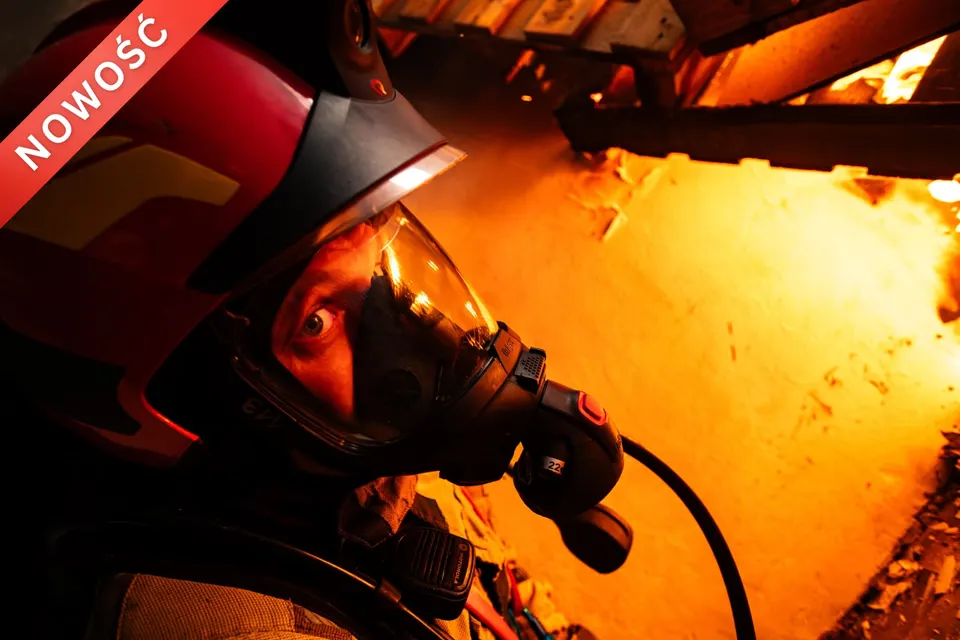
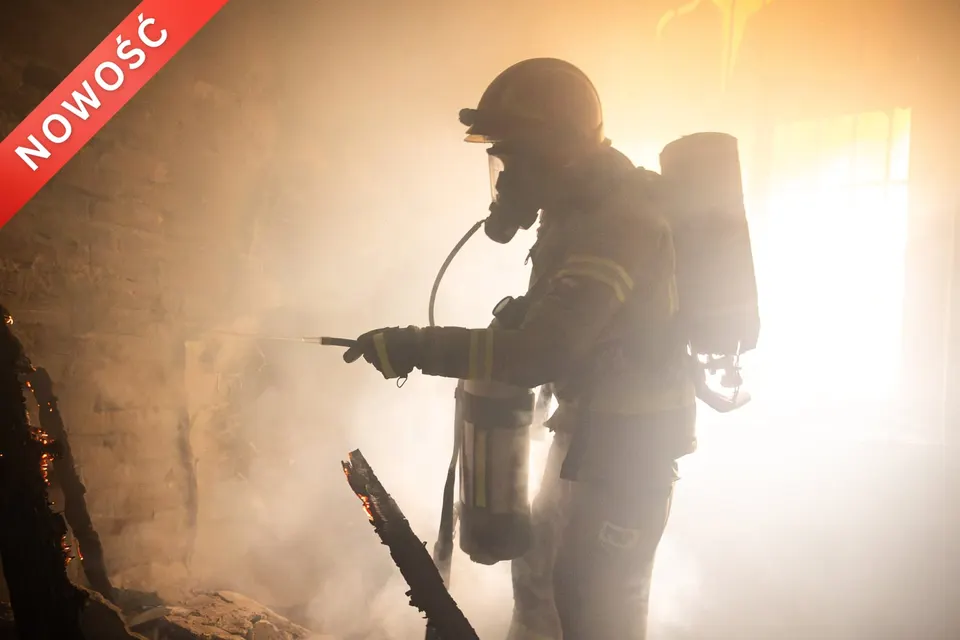
A live-fire course where you will learn about the phe­nom­ena that accom­pany fires and learn to work with a hose line, apply water streams and use a thermal ima­ging cam­era. We give you the chance to test your­self and your kit in high tem­per­at­ures and thick smoke.

Room search and evacuation

This course focuses on search­ing for civil­ians in burn­ing build­ings and on tech­niques for evac­u­at­ing them from the danger zone. Search­ing with a hose line, using a thermal ima­ging cam­era, the Vent Enter Search tech­nique.

Water extinguishers in interior fires

Self-fill water extin­guish­ers, which came to us from the USA, let you put out a fire at its start or knock down a burn­ing room. Com­bined with isol­at­ing the fire, they give you time to lay out a hose line or evac­u­ate from the danger zone.

Rapid Entry

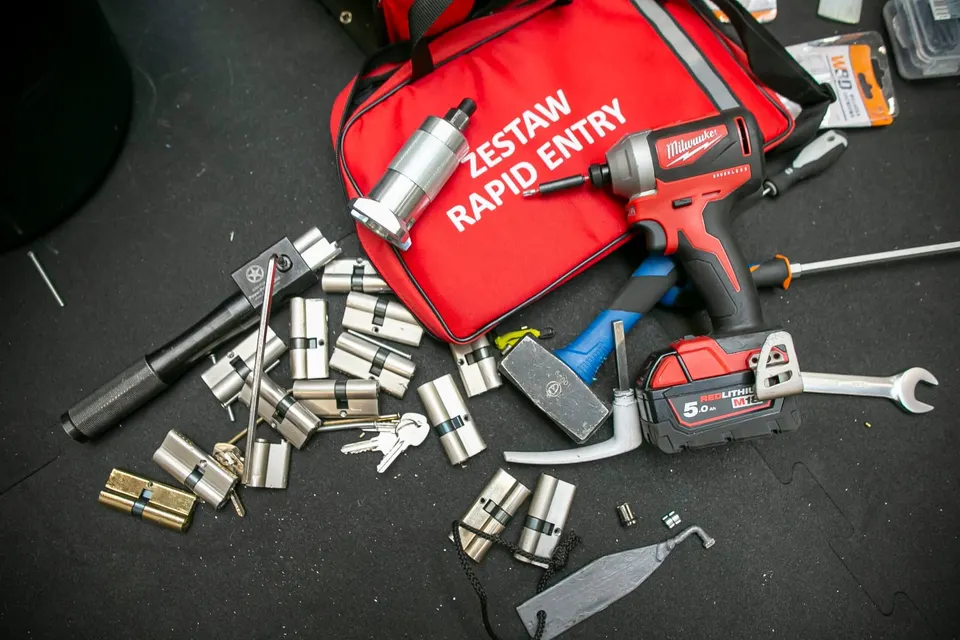
Min­im­ally invas­ive door open­ing with the Rapid Entry cylinder-breaking kit. These tech­niques let you get behind a locked door with min­imal dam­age. In many cases this will also be faster than tra­di­tional for­cible meth­ods.

Air management

The course cov­ers the art of man­aging your air sup­ply. We show what to do so that a fire­fighter does not run out of air dur­ing an incid­ent. Par­ti­cipants will see how to breathe eco­nom­ic­ally and learn the rules for super­vising res­cuers.

Ice rescue

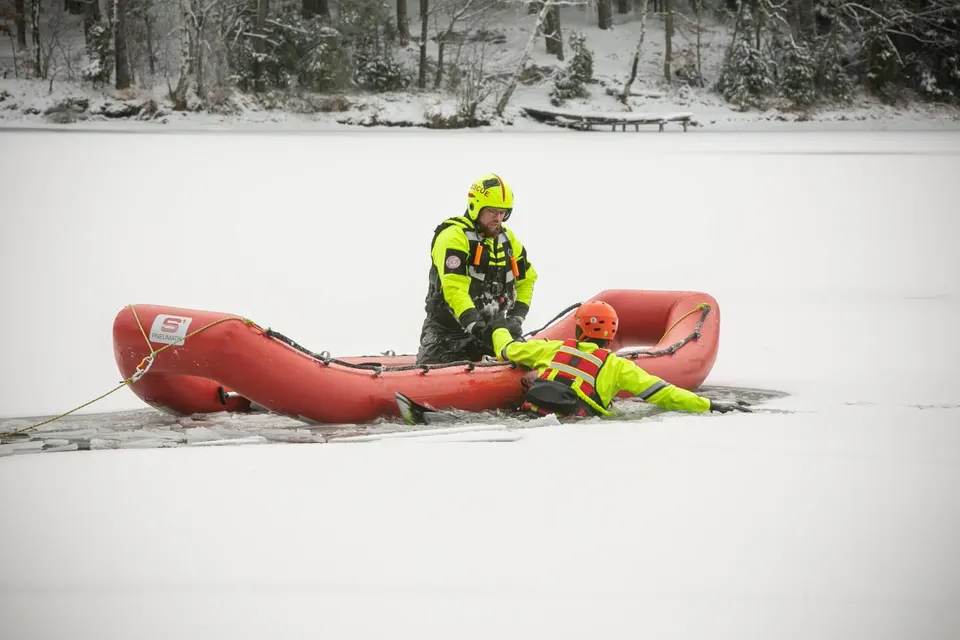
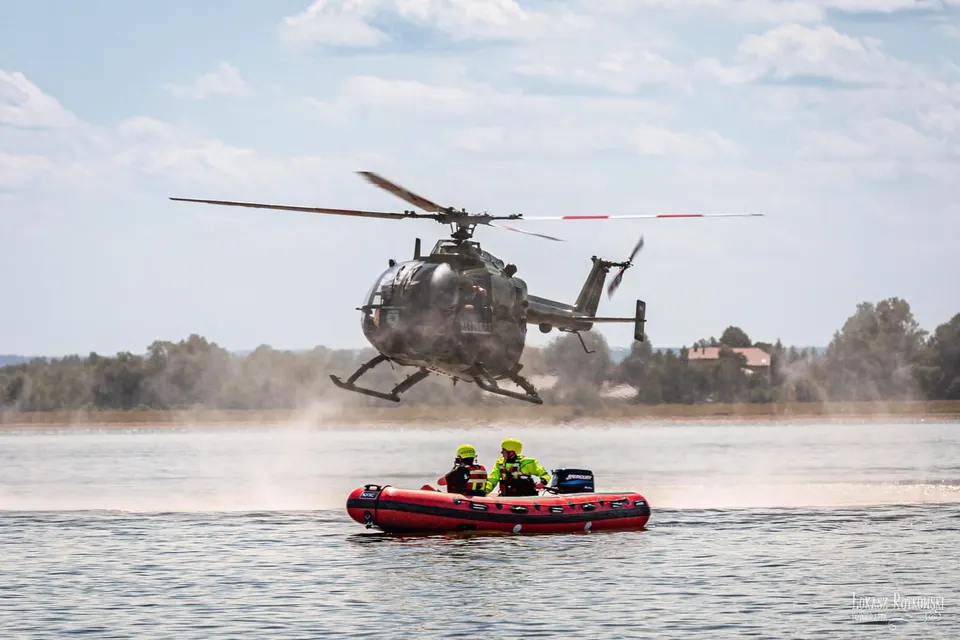
A course that pre­pares you to res­cue people who have fallen through the ice. We cover the equip­ment and res­cue tech­niques. We train only on thin ice, put­ting real­ism first.

Quad bikes in rescue

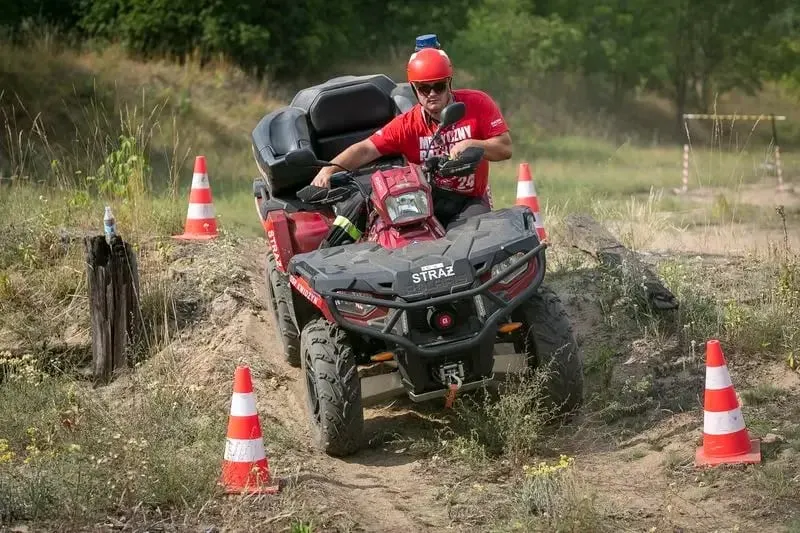
On this course we com­bine quad bike rid­ing tech­nique with emer­gency med­ical care. Dur­ing two-⁠day work­shops we show how to reach a cas­u­alty, give them first aid and evac­u­ate them across dif­fi­cult ter­rain using a quad bike.

Rope rescue

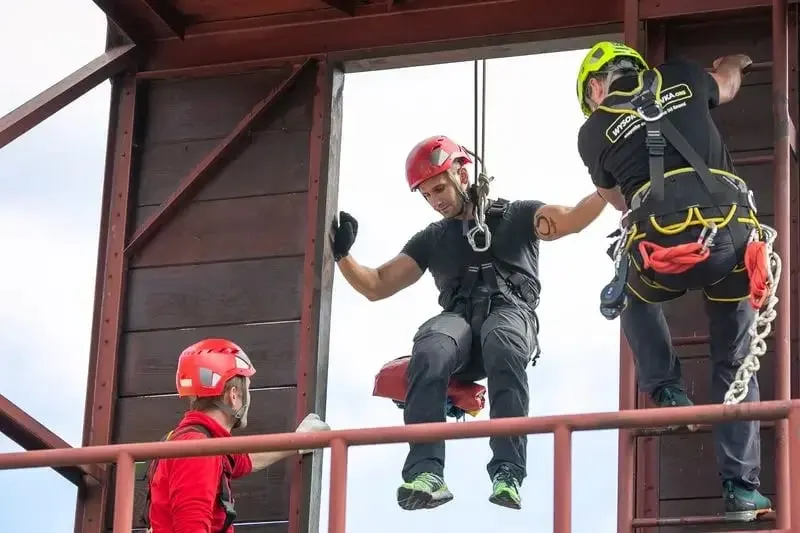
Torn-⁠off roofs, attic fires, people trapped at height. Because of incid­ents like these, every fire­fighter must have basic-level rope res­cue train­ing.

Self-rescue from height

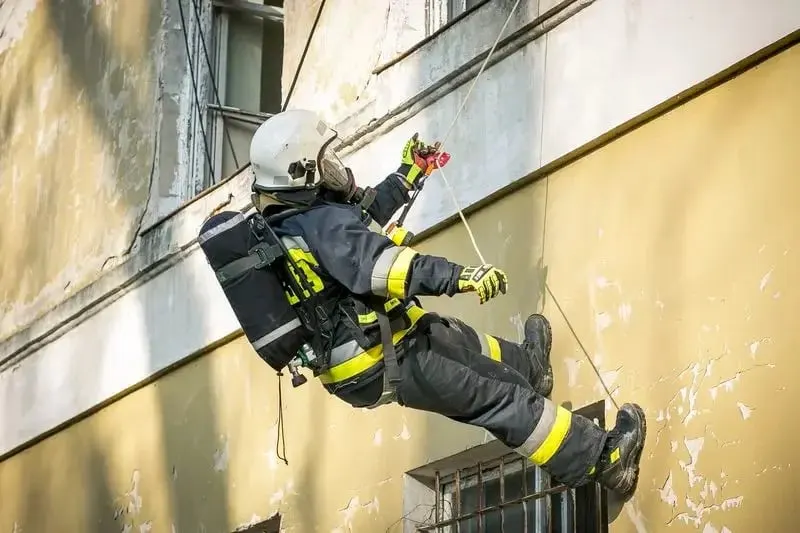
While fight­ing a fire, a fire­fighter may be forced to escape quickly through a win­dow or from a roof. There are only seconds left to save your­self. Only good train­ing gives you a chance to react effect­ively.

Using gas detectors

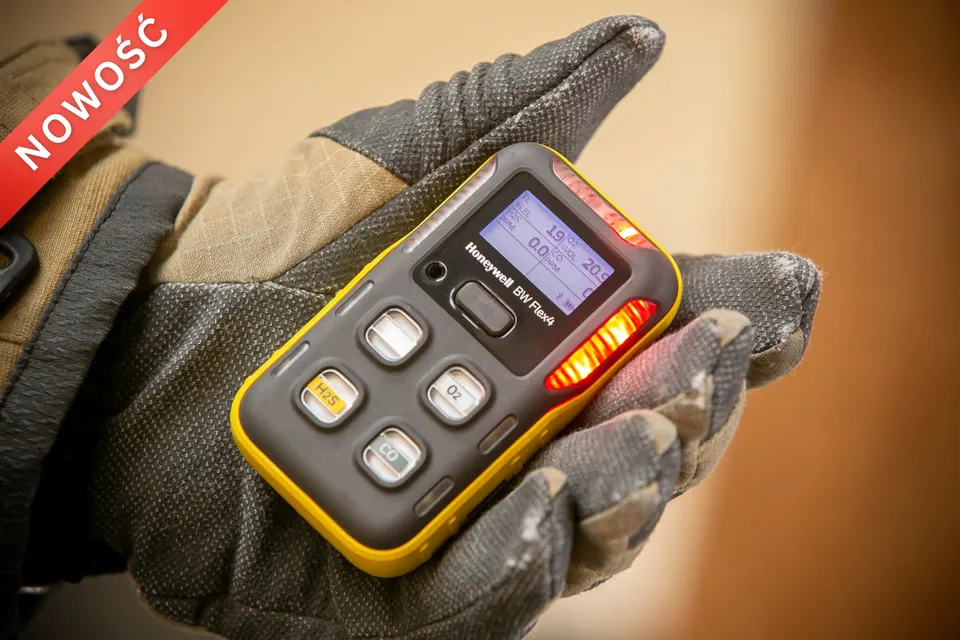
Single-⁠gas and multi-⁠gas detect­ors require skill to use. Based on the most com­mon incid­ents, we show how to deal with car­bon monox­ide, explos­ive gases, hydro­gen sulph­ide and low oxy­gen levels.

Flood response

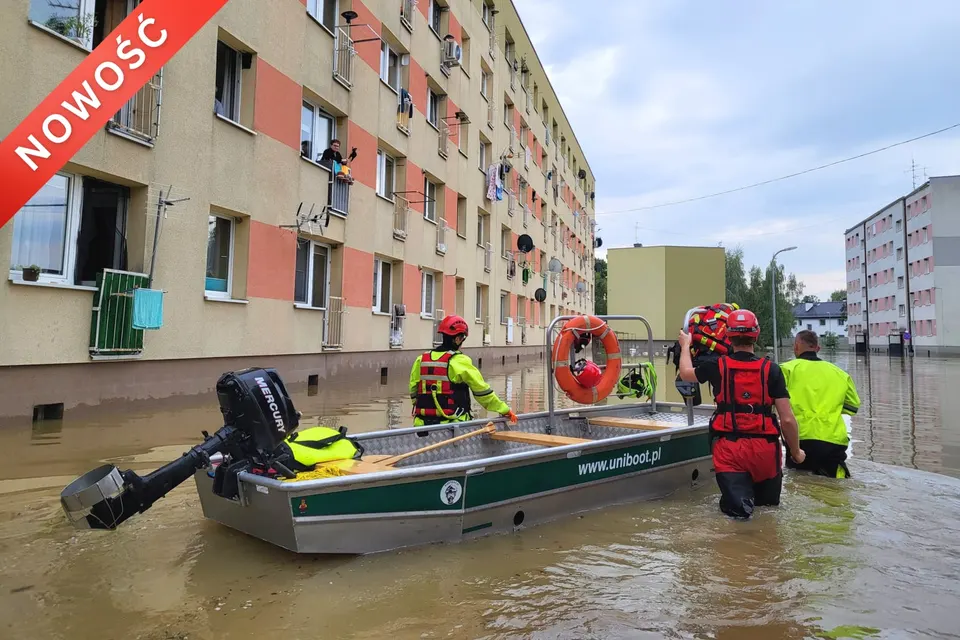
Evac­u­at­ing people dur­ing floods and deliv­er­ing human­it­arian aid in flooded areas. Using per­sonal equip­ment and work­ing with boats designed for flood oper­a­tions.

Other training

We will take on organ­ising train­ing in most areas of res­cue. We can add vari­ety to your train­ing work­shops or help organ­ise your pro­ject. We are open to all inter­est­ing forms of cooper­a­tion.